
Flexibility and core strength are two of the most important foundations of any safe, effective yoga practice. Whether you’re exploring yoga poses for beginners, practicing yoga for core strength, looking for yoga positions for back pain, or using yoga for weight loss, both elements play a key role in helping the body move with ease and stability. Yoga is a holistic practice that adapts to every age, body type, and fitness level—and with the right approach, it can become a meaningful part of your everyday routine.
This guide explores why flexibility and core strength matter, how yoga uniquely improves both, and the best yoga poses to include in your beginner yoga routine.
🔹 Why Flexibility and Core Strength Matter
Flexibility enables your joints to move freely, reduces stiffness, and supports healthier movement patterns. When your muscles are flexible, everyday tasks—from bending to lifting to stretching—feel easier and safer.
Core strength is equally essential. The core isn’t just about six-pack abs; it includes the deep stabilizer muscles that support your spine, protect your lower back, and help maintain proper posture. A strong core improves balance, prevents injury, and enhances performance in daily activities like walking, lifting groceries, or sitting for long periods.
Together, flexibility and core strength improve posture, stability, mobility, and overall functional fitness.

🔹 How Yoga Uniquely Supports Both Flexibility and Core Strength
Unlike traditional workouts that isolate specific muscles, yoga integrates breathing, movement, and mindful awareness to strengthen your entire body at once. Each yoga pose involves an intentional blend of stretching, stabilizing, and strengthening—making yoga one of the most well-rounded ways to improve both flexibility and core stability.
Yoga’s focus on alignment, breath, and controlled transitions engages the deep core muscles and lengthens tight areas at the same time. This creates balanced strength rather than bulk, and mobility rather than stiffness.
🔹 Understanding Flexibility and Core Strength
✔ What Flexibility Really Means
Flexibility isn’t just the ability to touch your toes; it refers to how freely and safely your joints move through their natural range of motion. Good flexibility helps prevent muscle strains, improves posture, reduces tension, and enhances overall body function. It’s an essential component of healthy aging and mobility.
✔ Key Muscles Involved in Core Strength
Effective yoga for core strength targets more than the abdominal muscles. Your core includes:
- Rectus abdominis (front abdominal wall)
- Transverse abdominis (deep core stabilizer)
- Internal & external obliques
- Lower back muscles
- Pelvic floor
- Hip stabilizers
- Glutes
Yoga activates all these muscle groups through poses, transitions, and mindful breathing—making it more comprehensive than traditional ab workouts.
✔ Mobility, Stability & Balance: The Yoga Connection
Flexibility creates mobility.
Core strength creates stability.
Together, they produce balance.
Yoga trains all three through intentional movement, static holds, breath awareness, and alignment cues, promoting safer and more confident movement both on and off the mat.
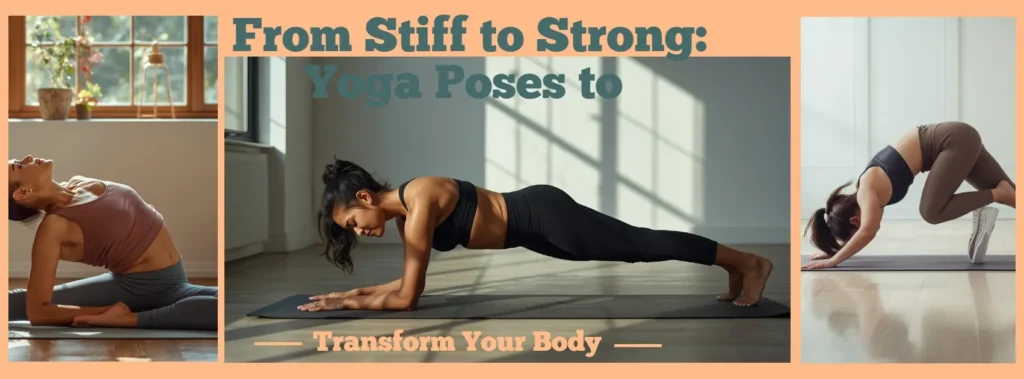
🔹 How Yoga Improves Flexibility
Stretching Through Controlled, Mindful Movement
Yoga uses slow, controlled movements and long, intentional stretches to lengthen tight muscles safely. This reduces injury risk while making your body more adaptable and resilient.
The Role of Breath in Deepening Flexibility
Breathwork (pranayama) helps soften muscle tension, activate the parasympathetic nervous system, and deepen stretches. With every inhale and exhale, the body becomes more open, relaxed, and aware.
Breathing improves:
- Body awareness
- Ability to maintain challenging poses
- Stretch depth
- Mental focus and calmness
🔹 How Yoga Builds Core Strength
Engaging Deep Stabilizer Muscles
Yoga poses like Plank, Boat Pose, Downward Dog, and Warrior sequences activate the deep abdominal muscles responsible for spinal support and posture. These stabilizers develop strength through controlled transitions and mindful alignment.
Importance of Posture and Alignment
Proper alignment ensures your core works efficiently. Even simple poses like Tadasana (Mountain Pose) engage the core when practiced with awareness.
Why Core Strength Supports Daily Movement
A strong core means:
- Less lower back pain
- Better posture while sitting, walking, and standing
- Safer bending, lifting, and twisting
- Improved performance in sports and fitness activities
🔹 Best Yoga Poses for Flexibility
1. Forward Fold Variations
- Uttanasana (Standing Forward Fold)
- Paschimottanasana (Seated Forward Bend)
- Ragdoll Pose
Targets hamstrings, calves, lower back, and releases tension.
2. Hip-Opening Asanas
- Butterfly Pose
- Pigeon Pose
- Lizard Pose
- Frog Pose – Great for anyone who sits long hours or has tight hips.
3. Spinal Mobility & Backbends
- Bridge Pose
- Camel Pose
- Cat-Cow
- Cobra Pose – Improve posture, mobility, and relieve back tension.
🔹 Best Yoga Poses for Core Strength
1. Plank Variations
- High Plank
- Forearm Plank
- Side Plank
- Dolphin Plank – Build endurance, stability, and deep core activation.
2. Boat Pose & Balance-Based Asanas
- Boat Pose (Navasana)
- Crow Pose
- Warrior III
- Tree Pose – Balance poses naturally engage and strengthen the entire core.
3. Controlled Flow Sequences
- Sun Salutations
- Vinyasa transitions
- Core-focused flows
Ideal for beginners and advanced practitioners alike.
🔹 Benefits Beyond Flexibility & Core Strength
Yoga also enhances:
- Balance & coordination through neuromuscular training
- Posture & body awareness by correcting imbalances
- Stress relief & mental clarity through mindfulness and breathwork
- Overall fitness when practiced consistently as part of a beginner yoga routine
✔ How to Start Safely
- Begin with gentle, beginner-friendly poses
- Use props like blocks, straps, and supportive mats
- Avoid overstretching
- Never push through pain
✔ Frequency & Duration
Start with 10–15 minutes daily or 3–4 times per week. Increase duration gradually as your flexibility and strength improve.
- Consistency is more important than intensity.
✔ Common Mistakes to Avoid
- Holding your breath
- Comparing your progress to others
- Forcing deep stretches early
- Ignoring pain or joint discomfort
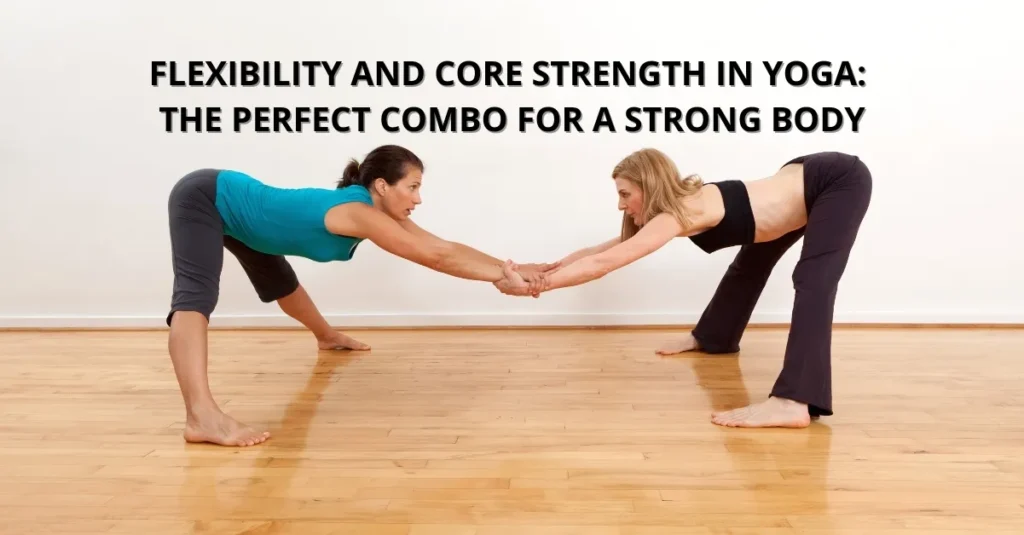
Flexibility and Core Strength in Yoga (Plus the Fun of Yoga with Partners)
When people think of yoga, they often picture deep stretches and calm breathing. While flexibility is a huge benefit, yoga is also one of the best ways to build real, functional strength—especially in your core. The combination of flexibility and core strength in yoga makes the practice powerful: you don’t just become more open in your body; you become more stable, balanced, and resilient.
Why Flexibility Matters in Yoga
Flexibility in yoga isn’t about forcing your body into extreme shapes. It’s about creating space in the muscles and joints, improving mobility, and reducing stiffness. Over time, yoga helps lengthen tight areas like:
- hamstrings
- hip flexors
- shoulders
- lower back
This can improve posture, reduce tension headaches, and make everyday movements (such as bending, lifting, or walking) feel easier.
How Yoga Builds Core Strength
Core strength in yoga goes far beyond six-pack abs. Your “core” includes your deep abdominal muscles, obliques, pelvic floor, and lower back. Many yoga poses challenge your stability and teach your body to engage from within. Core strength supports:
- better balance
- safer movement
- improved posture
- Reduced lower back pain
Some great yoga poses for core strength include plank, boat pose (Navasana), side plank, and forearm plank. The magic is that you’re building strength while maintaining breath and control—something that translates beautifully to daily life and other workouts.
Yoga With Partners: Connection + Support
Yoga with partners adds a whole new level to the practice. Partner yoga can be playful, empowering, and surprisingly grounding. It combines the flexibility and core strength of yoga with teamwork and trust, making it ideal for couples, friends, or parent-child bonding.
Partner yoga can help you:
- stretch deeper safely (with support)
- improve balance through counterweight poses
- build communication and trust
- Stay motivated and consistent
Popular partner poses include seated forward fold assist, double plank variations, and supported backbends. The key is not perfection—it’s connection.
Final Tip
Whether you practice solo or try yoga with partners, focus on breath, stability, and progress—not comparison. Flexibility grows with time, and core strength builds faster than you think when you stay consistent.


Pingback: Body & Mind: The Powerful Connection Between Physical and Mental Health